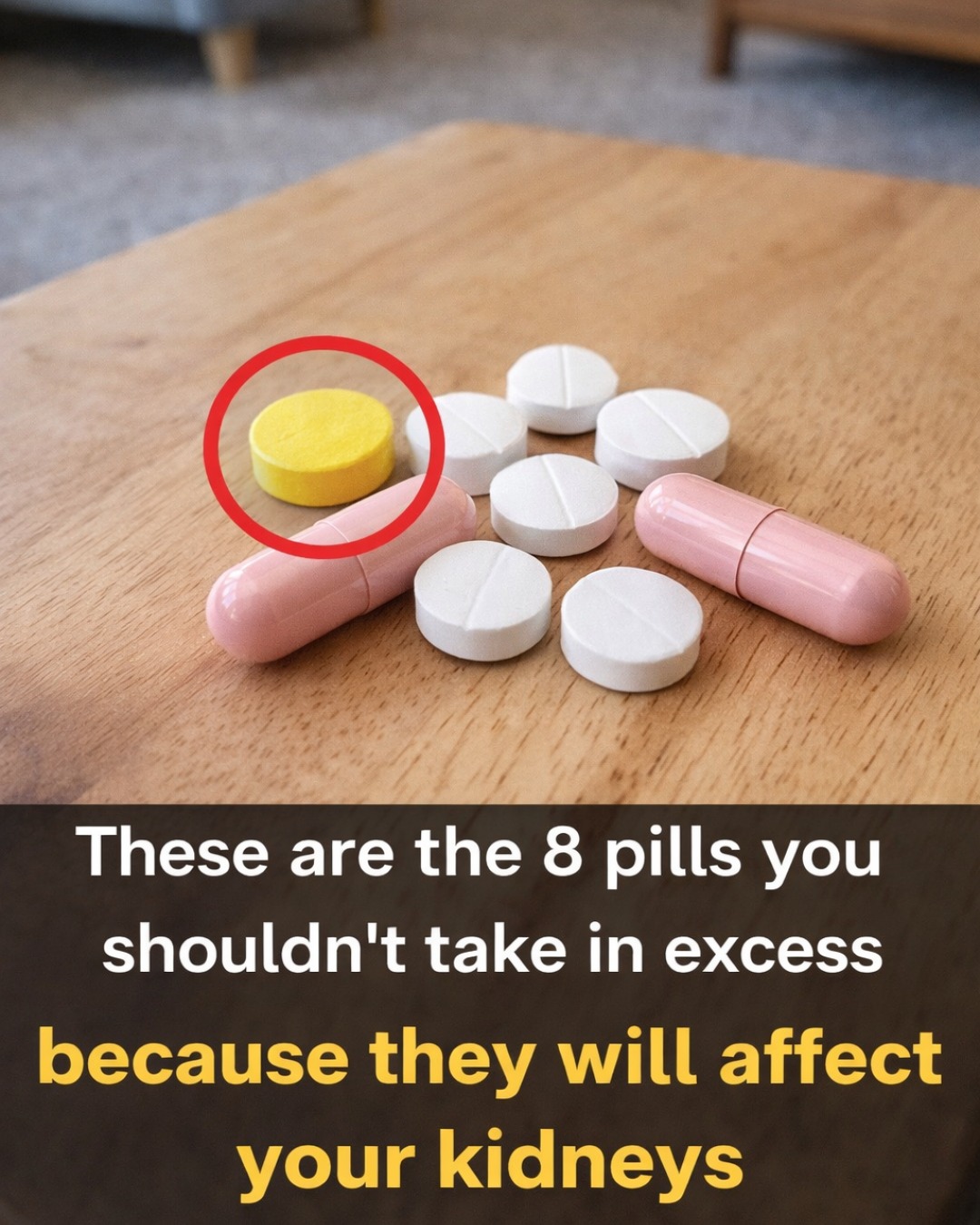
Ready to take control? Here are practical tips you can start today:
- Consult your doctor before starting any new medication.
- Get annual kidney function tests, especially if over 60.
- Keep a medication journal to track doses and interactions.
- Prioritize a kidney-friendly diet: low sodium, plenty of fruits and veggies.
- Exercise moderately to support overall circulation.
These small changes can make a big difference.
Wrapping It Up
In summary, while these 8 common medications serve important purposes, mindful use is essential to support kidney health. By understanding the risks and following guidelines, you can enjoy their benefits safely. Remember, knowledge empowers better choices.
Frequently Asked Questions
What signs might indicate medication-related kidney issues?
Common indicators include changes in urination, swelling in legs or ankles, fatigue, or nausea. Always consult a healthcare provider for assessment.
How can I check if my medications interact with each other?
Use online tools from reputable sites like Drugs.com or discuss with your pharmacist for a thorough review.
Are there natural alternatives to these medications?
Depending on the condition, options like herbal teas for digestion or yoga for stress might help, but they should complement, not replace, professional advice.
Disclaimer: This article is for informational purposes only and not a substitute for professional medical advice. Consult your healthcare provider for personalized guidance.