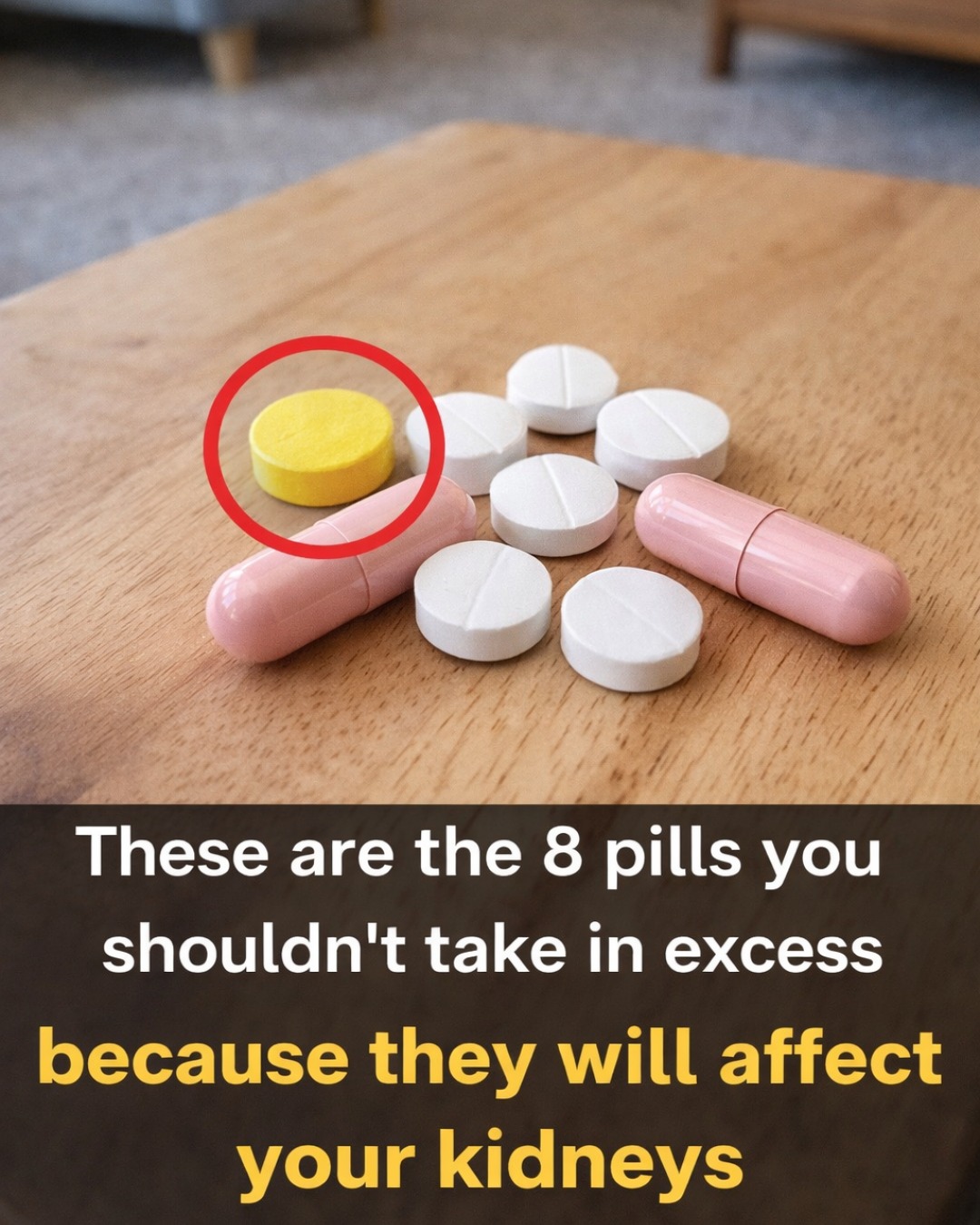
Many people rely on medications to manage everyday health issues, from pain relief to blood pressure control, without fully considering their long-term effects. Yet, when taken in higher doses or for extended periods, some of these drugs can place extra strain on the kidneys, the vital organs responsible for filtering waste from the blood. This added burden might lead to complications over time, especially for those with existing health conditions or who combine multiple medications. But don’t worry—by learning more about these common pills and how to use them wisely, you can take proactive steps to support your kidney function. Stick around, because later I’ll reveal why these medications are still widely available despite the risks.
What Makes Kidneys Vulnerable to Medications?
Your kidneys work tirelessly, processing about 200 quarts of blood daily to remove toxins and maintain balance in your body. But certain medications can interfere with this process.
The truth is, not all drugs are created equal when it comes to kidney impact. Some alter blood flow to the kidneys, while others cause inflammation or buildup of harmful substances. Research from health organizations like the National Kidney Foundation highlights how overuse can contribute to issues like reduced filtration efficiency.
But that’s not all—factors like age, dehydration, or pre-existing conditions can amplify these effects. Let’s dive into the specifics.
1. ACE Inhibitors and ARBs: Balancing Blood Pressure with Caution
ACE inhibitors, such as lisinopril or ramipril, and ARBs like losartan or olmesartan, are often prescribed for high blood pressure or heart conditions. They work by relaxing blood vessels to improve flow.
However, when taken in excess or combined with other drugs like NSAIDs or diuretics, they might reduce blood supply to the kidneys, potentially leading to acute kidney injury. Studies, including those reviewed by Verywell Health, show this risk increases during dehydration.
Here’s a quick tip: Always stay hydrated and monitor your blood pressure regularly if you’re on these.
But wait, there’s more to consider with everyday pain relievers.