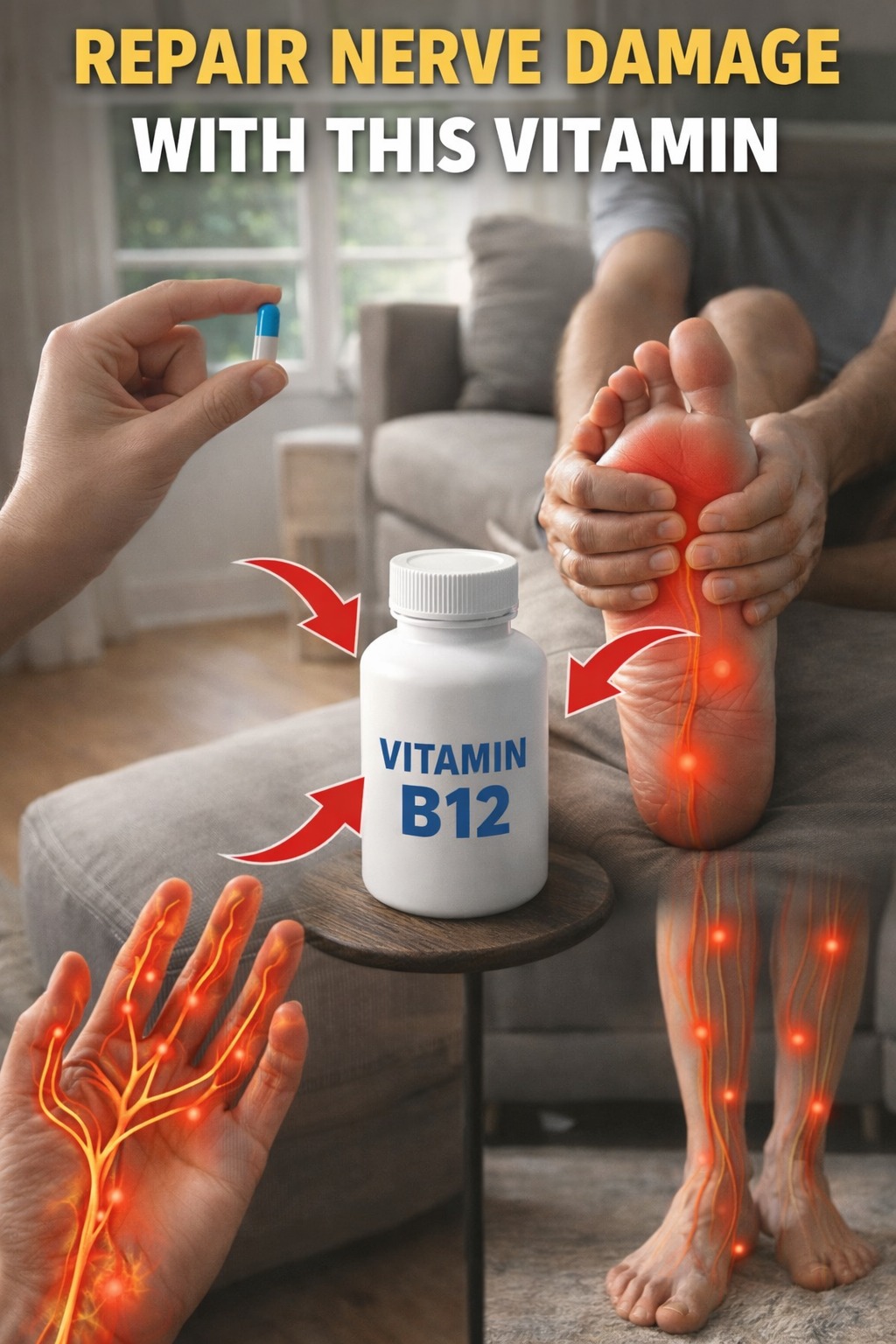
For individuals who struggle to get enough vitamin B12 from their diet, B12 supplements can be an effective way to meet their daily requirements. Supplements come in the form of:
- Oral tablets (including chewable and sublingual forms)
- Injections (often prescribed to those with severe deficiency or absorption issues)
- B12 sprays and lozenges
3. Recommended Daily Intake of Vitamin B12:
- Adults: 2.4 micrograms per day
- Pregnant women: 2.6 micrograms per day
- Breastfeeding women: 2.8 micrograms per day
If you are over 50, you may have a higher risk of B12 deficiency and should consider discussing supplementation with your healthcare provider.
4. Vitamin B12 and Its Role in Preventing Nerve Damage
Vitamin B12 plays a direct role in preventing nerve damage by supporting the myelin sheath and reducing inflammation in the nervous system. As we age, the risk of B12 deficiency increases, making it essential to maintain adequate levels of this vitamin to protect against peripheral neuropathy and other neurological conditions.
How B12 Prevents Nerve Damage:
- Promotes Myelin Regeneration: B12 helps the body repair and regenerate damaged nerves. This is particularly important for people with peripheral neuropathy, where nerve fibers become weakened or damaged.
- Reduces Inflammation: Inflammation in the nervous system can worsen nerve damage. B12 helps reduce this inflammation and supports healthy nerve function.
5. Additional Tips to Support Nerve Health
In addition to maintaining adequate B12 levels, there are other lifestyle changes and habits that can support nerve health and prevent damage: