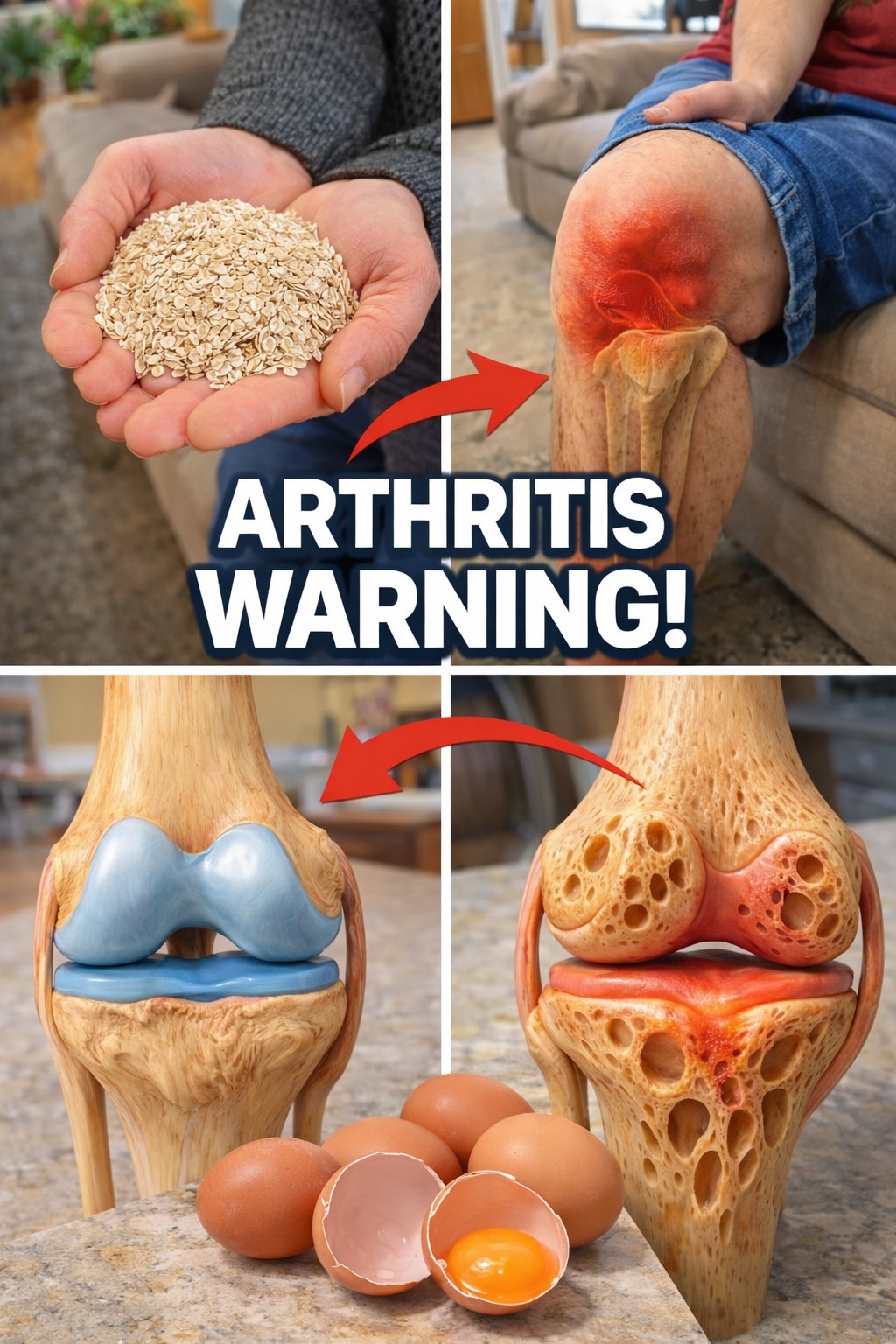
Let’s break down what’s inside:
- Calcium carbonate: The primary mineral in the shell, highly bioavailable and supportive for bone maintenance.
- Collagen and proteins: Abundant in the membrane, these help form the building blocks of connective tissues.
- Glycosaminoglycans (like chondroitin and glucosamine): Naturally present in small amounts, often associated with cartilage support.
- Hyaluronic acid: Contributes to joint lubrication and tissue hydration.
- Trace elements: Such as strontium, magnesium, and others that may play minor roles in bone metabolism.
Studies indicate that these components may work together to influence inflammation markers and support tissue health, though results vary by individual.
How to Prepare Eggshells at Home: A Simple Step-by-Step Guide
If you’re interested in exploring this natural option, here’s an easy, safe way to turn eggshells into a powder you can add to foods or drinks. Always consult your doctor before adding anything new to your routine, especially if you have health conditions.
- Collect and clean: Save shells from organic or free-range eggs if possible. Rinse them under warm water to remove any residue.
- Boil for safety: Place shells in boiling water for 5–10 minutes to help eliminate potential bacteria.
- Dry thoroughly: Spread them on a baking sheet and let them air-dry overnight, or bake at low heat (around 200°F/93°C) for 10–15 minutes until completely dry.
- Grind into powder: Use a coffee grinder, blender, or mortar and pestle to create a fine powder. Sift to remove larger pieces.
- Store properly: Keep in an airtight jar in a cool, dry place for up to a few months.
A typical serving might be ½ teaspoon (about half a shell’s worth), providing roughly 400 mg of calcium. You can mix it into smoothies, yogurt, oatmeal, or baked goods. Start small and monitor how you feel.
Here are some practical tips for incorporating it:
- Add to morning coffee or tea for a subtle boost.
- Sprinkle over salads or soups.
- Blend into homemade energy balls or muffins.
- Combine with vitamin D-rich foods (like fatty fish) for better absorption.
Remember, this is not a replacement for a balanced diet or medical advice.