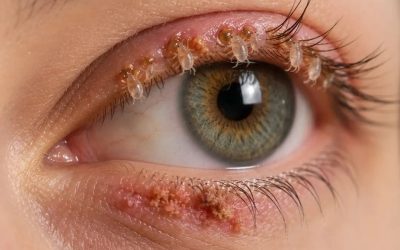
Skin looks dull, yellowish (jaundice-like), unusually pale, or develops persistent rashes. These gradual appearance shifts can reflect internal changes like liver function, anemia, nutrient gaps, or autoimmune issues. Subtle alterations in how you look often mirror what’s happening inside.

What to Do If You Notice These Signs
Track patterns calmly: note duration, severity, and combinations. Simple steps include:
- Monitoring weight, energy, and urine habits weekly
- Staying well-hydrated and observing changes
- Scheduling regular check-ups and mentioning subtle shifts
- Incorporating gentle movement like walking to support circulation
- Keeping a brief symptom journal
- Discussing observations with family for added perspective
- Prioritizing restful sleep and balanced nutrition
These habits support overall wellness and help spot trends early.
Facing Common Doubts
“Everyone gets tired sometimes.” Absolutely—isolated brief changes often resolve naturally. Persistent or multiple signs? That’s when professional insight helps rule out or address underlying factors. Many concerns turn out benign or manageable when caught early.
Don’t Wait for Louder Signals
Your body often whispers before it shouts. Recognizing these silent signs empowers you to take small, proactive steps toward better health. If something resonates, jot down what you’ve noticed and bring it up at your next appointment—peace of mind or early action makes it worthwhile.
P.S. Regular gentle activity like short daily walks can support energy and circulation—have you noticed any patterns lately?

Frequently Asked Questions
How long should a symptom last before seeing a doctor?
If a change persists beyond a couple of weeks without clear explanation, or if multiple signs appear together, it’s wise to consult a healthcare provider.
Are these signs always serious?
No—many stem from benign, treatable causes. The key is persistence and combinations; professional evaluation clarifies the picture.
What tests might a doctor recommend?
Common starting points include bloodwork, urine analysis, or basic physical exams to check for common issues like thyroid function, anemia, or blood sugar levels.
This article is for informational purposes only and is not a substitute for professional medical advice. Always consult your healthcare provider for personalized guidance and never ignore concerning symptoms.