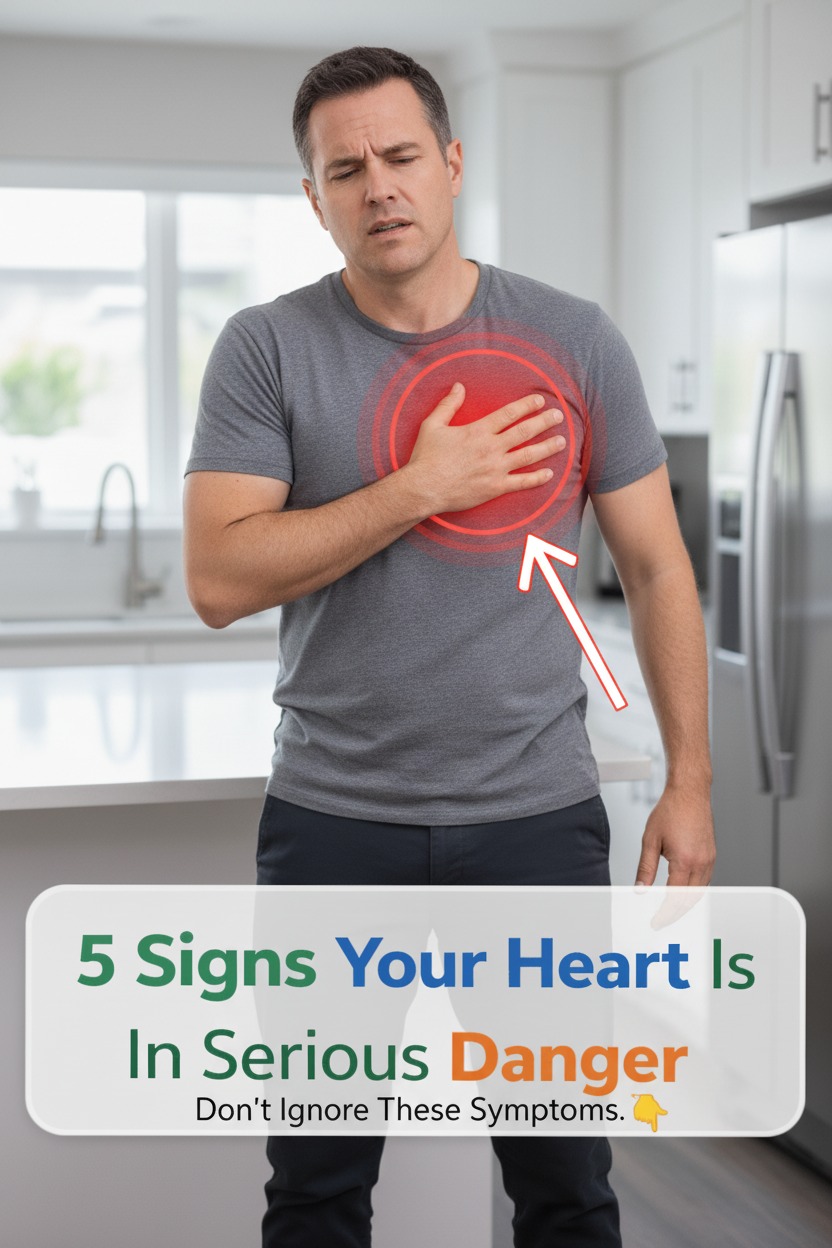
5 Quiet Clues: Subtle Warning Signs Your Heart Health Needs Attention
Fluid accumulation in the lower half of your body, which becomes particularly noticeable by the end of the day, can be a telling sign that your heart isn’t circulating blood effectively. This type of swelling, medically termed edema, frequently leaves indentations from socks or shoes and might temporarily improve after elevating your legs overnight. Reputable sources explain that when the heart’s pumping action weakens, gravity naturally pulls fluid downwards. While dietary factors or prolonged standing can contribute, persistent or worsening leg swelling unequivocally warrants a consultation with a medical doctor.
4. Mild Discomfort in Unconventional Locations
Sometimes, the body communicates heart health concerns through signals in surprising places, such as the jaw, neck, back, or even the upper stomach region. These sensations might manifest as a feeling of indigestion, muscle strain, or a dull pressure, rather than the sharp, classic chest pain. Health organizations point out that these atypical sensations can be directly linked to reduced blood flow to the heart. They often appear intermittently, which explains why they are so easily overlooked. Maintaining a simple log of when these occurrences take place can be incredibly helpful in identifying potential patterns for your healthcare provider.
5. Coldness or Noticeable Changes in Your Extremities
Unusually cold feet or hands, or observing changes like diminished hair growth on your legs or a shiny appearance of the skin, can be indicators of compromised circulation. In some instances, these symptoms are directly related to narrowed blood vessels, which in turn impact overall heart health. Research consistently demonstrates a link between these subtle shifts in the extremities and underlying cardiovascular changes. If you experience persistent coldness coupled with any other concerning symptoms, it provides yet another compelling reason to engage in a conversation with your healthcare provider.
Distinguishing Normal Sensations from Potential Heart Warning Signs
Understanding the difference between everyday discomforts and potential heart health warning signs is crucial for informed decision-making. Here’s a quick comparison:
Fatigue:
Normal: Resolves completely after adequate rest or a good night’s sleep.
Potential Concern: Persists despite rest, feels overwhelming, and may worsen over time with light activity.
Breathlessness:
Normal: Occurs only during intense physical exertion or strenuous exercise.
Potential Concern: Happens during light, routine tasks like walking short distances or carrying groceries.
Swelling:
Normal: Temporary, often after consuming salty foods, prolonged standing, or long flights.
Potential Concern: Appears daily, is persistent, and exhibits “pitting” (leaves a dent when pressed).
Discomfort:
Normal: Brief, easily explainable (e.g., muscle ache from exercise, indigestion after a heavy meal).
Potential Concern: Recurring sensations in areas like the jaw, neck, back, or upper stomach, often feeling like pressure or tightness rather than sharp pain.
Your Heart Health: Take Control Today
Recognizing these subtle warning signs is the first powerful step towards safeguarding your heart health. Remember, your body often provides clues long before a serious issue fully develops. Don’t hesitate to discuss any new or persistent symptoms with your doctor or healthcare provider, even if they seem minor. Proactive communication and regular check-ups are invaluable. Beyond vigilance, adopting a heart-healthy lifestyle – including a balanced diet, regular physical activity, stress management, and avoiding smoking – can significantly reduce your risk and enhance your overall well-being. Your heart works tirelessly for you; give it the attention it deserves.